Prerana Mulay

Product Design / Food & Experience

Amealio

Re-imagining Food Discovery

Client

Amealio

Duration

1.2 years

Role

Product Designer

Deliverables

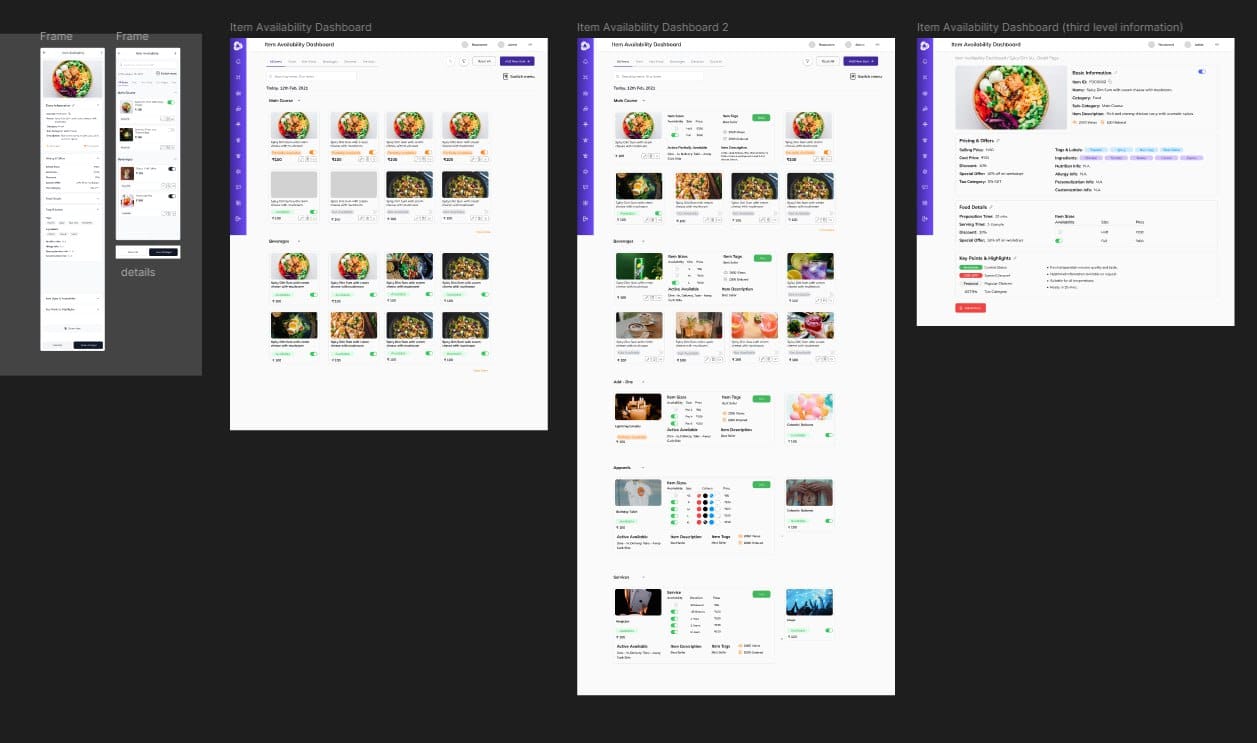
End-to-end Mobile App Design, Web Platform (User, Merchant, Admin)
Amealio

Amealio: Reimagining Food Discovery

A comprehensive case study in experience-led platform design, where food becomes more than a transaction—it becomes a discovery journey.

Role:Product Designer (UX, Information Architecture, System Design)
Platform:Mobile App + Web (User, Merchant, Admin)
Duration:14 months (core redesign) + ongoing iterations
Type:Live product · NDA-safe case study

Product Context

What is Amealio?

Amealio is a food and experience discovery platform that aims to go beyond traditional food ordering by enabling users to explore dining as an experience.

What made it different?

Focus on discovery, not just transactions:We emphasize exploring new culinary experiences and unique dining opportunities, fostering a sense of adventure in food choices.
Combines food, experiences, and community:Amealio integrates social elements, allowing users to share their discoveries, connect with fellow food enthusiasts, and build a vibrant community.
Multi-sided platform:Designed to cater to the needs of diverse stakeholders, from individual diners to restaurant owners and platform administrators.

Project Overview & Challenge

My Role

As a Product Designer, I led the Information Architecture and System Design across mobile, web, and admin platforms.

End-to-end product design
Multi-sided platform strategy
Cross-functional collaboration

The Challenge

Transform Amealio from a traditional food ordering platform into an experience-led discovery ecosystem that serves users, merchants, and admins with clarity and intention.
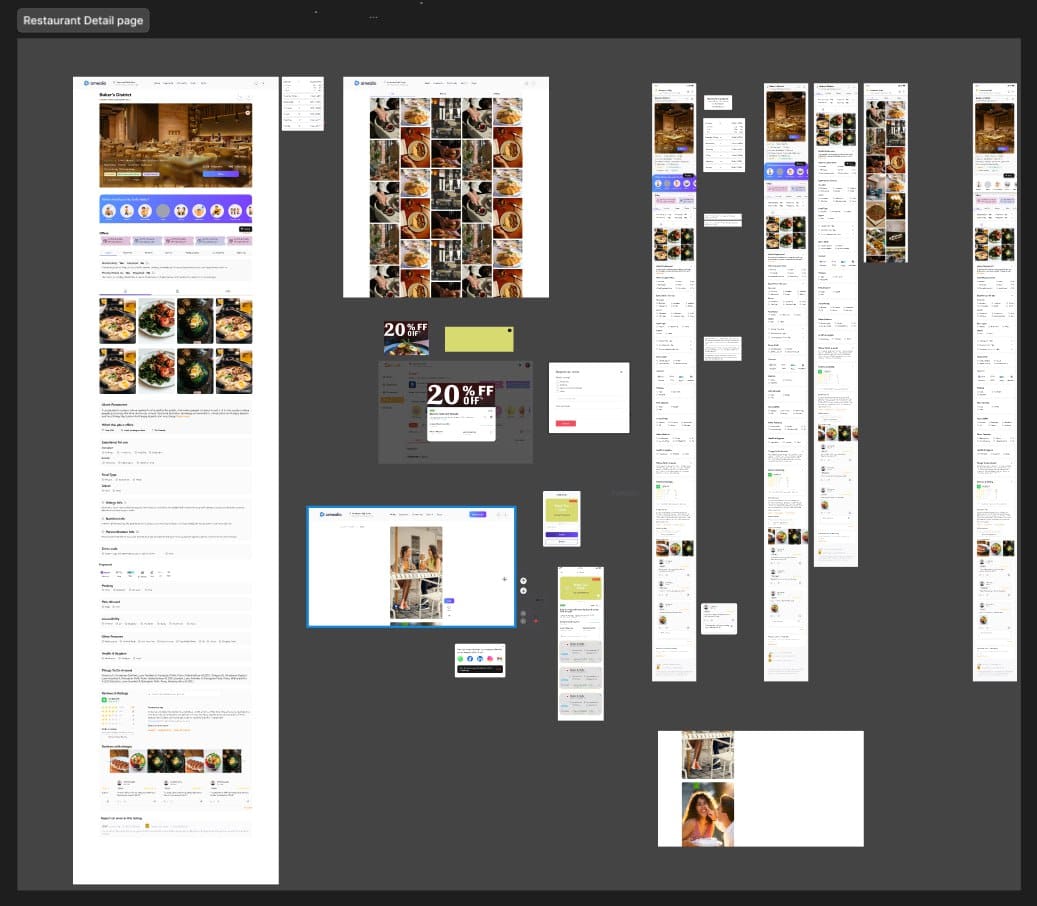
Detailed Problem Analysis

Detailed Problem Analysis

User Problems

Users faced multiple interconnected issues that led to significant dissatisfaction and operational inefficiencies.

Endless scrolling without clarity:Users couldn't tell if they were looking at delivery food, dine-in reservations, or experience bookings.
Confusion between offerings:No clear mental model separated food, dine-in, events, and experiences.
No guidance when services unavailable:Empty states provided no context or alternatives, leaving users stranded.
Low confidence while making decisions:Lack of trust in results led to second-guessing and abandonment of the platform.
High cognitive load during browsing:Too many choices without clear filtering or intent-based organization overwhelmed users.

System-Level Confusion

The core challenge was a fundamental lack of clarity about what Amealio was meant to be.

User Confusion:Couldn't distinguish between browsing, planning, ordering, or exploring.
Merchant Frustration:Poor control over representation, unclear listing structures.
Platform Fragmentation:Food, experiences, and commerce competing without coherent structure.

Result

Decision fatigue, high drop-off rates, and weak emotional attachment to the platform.

STRATEGIC REFRAME

Strategic Discovery

The Reframe

From: A food listing or ordering platform competing on speed and discounts.

To: An experience-led discovery ecosystem where food is social, exploratory, and emotionally engaging.

Key Insight: Intent Drives Structure

A foundational insight emerged: users don't arrive with a single, clear intent. They come in different modes, and the platform was treating everyone the same.
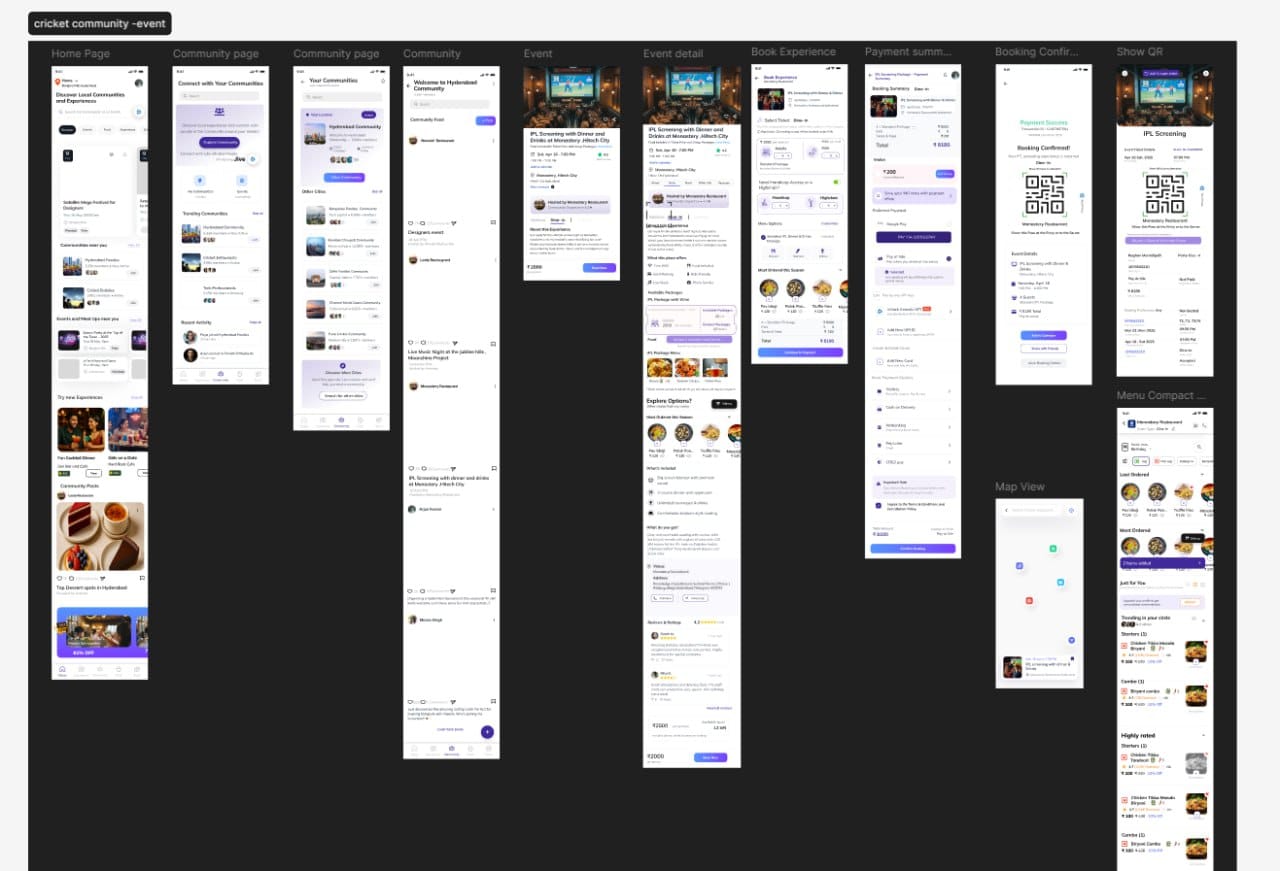
Immediate Need:Hungry now, want food quickly
Planning Mode:Researching options for later
Exploration:Discovering new places casually
Experience Seeking:Looking for memorable dining
Design Execution: Flows & IA

Design Execution: Flows & IA

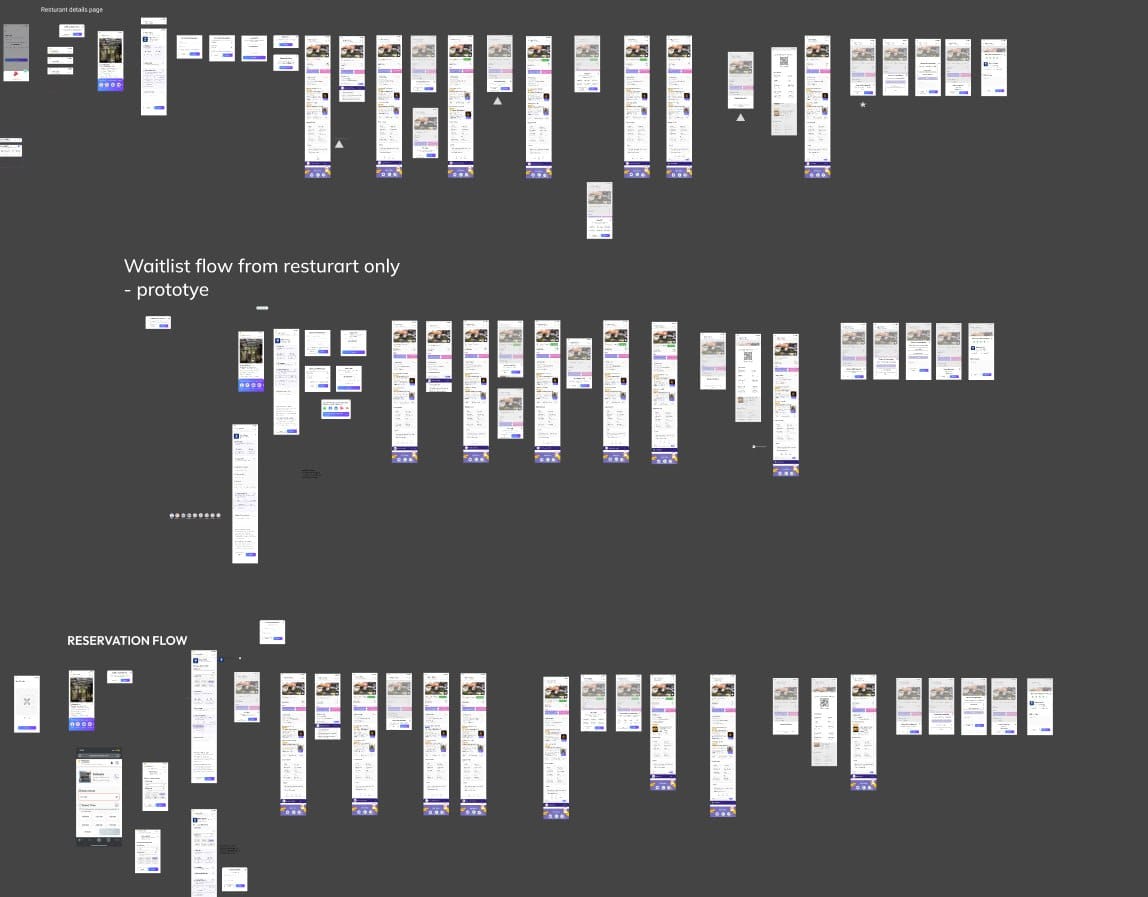
Redesigned User Flows

Audited existing journeys and redesigned key flows to align with user intent, matching mental states whether they needed speed, exploration, or planning.

Dine In
Curbside
Skip the Line
Take away
Walk In flow

IA Transformation Design Principles

Intent-based grouping over feature lists
Clear mental models separating food and experiences
Contextual overlap when user goals intersect
Minimal top-level structure to reduce cognitive load
Modular architecture that scales with new offerings

The Pillars

Clarity:Users know where they are
Predictability:Users know what they can do
Scalability:System grows without breaking
Multi-Sided Platform Success

Multi-Sided Platform Success

Stakeholder Needs

End Users

Intent-led discovery journeys
Scenario-safe experiences
Reduced cognitive load

Merchants

Clear food vs experience separation
Guided onboarding flows
Meaningful representation control

Admin Teams

Scalable governance logic
Clear approval workflows
Reduced manual intervention

Design Philosophy

Every decision was evaluated through the lens of all three audiences. Merchant empowerment improved content quality for users. Better admin tools enabled faster platform evolution. User clarity drove merchant confidence.
Impact & Key Learnings

Impact & Key Learnings

The Impact

Multi-intent Journeys:Users could seamlessly switch between quick ordering, planning, and exploration modes.
Reduced Confusion:Clear separation and contextual overlap eliminated the 'what am I looking at?' problem.
Merchant Clarity:Merchants understood how to position offerings from day one, reducing support tickets.
System Coherence:All three user groups operated within a unified mental model.

Success Signals Observed

More confident internal conversations around UX decisions.
Fewer design revisions caused by structural confusion.
Reduced ambiguity during merchant setup; improved onboarding completion rates.
Improved cross-team alignment with shared common language.

Confidentiality Note

That's all I can share since this is an on-going project and is under NDA as per amealio policies. But I am open to a more nuanced discussion about the project in a closed environment!